Traditional Medicine and Ethnomedicine World Conference 2026
Speakers - TMEWC2026
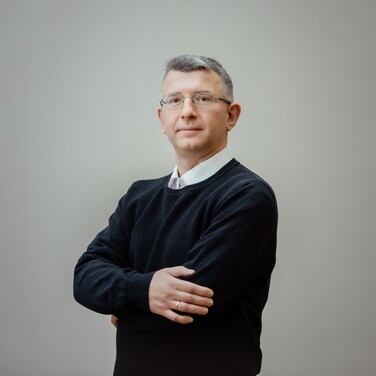
Roman Lysiuk
Roman Lysiuk
- Designation: Danylo Halytsky Lviv National Medical University
- Country: Ukraine
- Title: Polyphenols from Medicinal Herbs Bridging Traditional Remedies with Contemporary Antioxidant Strategies for Noncommunicable Diseases
Abstract
Herbal polyphenols represent one of the most important classes of biologically active secondary metabolites found in medicinal plants, traditionally used in both herbal medicine and culturally rooted ethnotherapeutic practices. Polyphenol rich herbal preparations have long been employed in the management of conditions associated with metabolic imbalance, chronic inflammation, and accelerated aging.
Growing experimental and clinical evidence indicates that oxidative stress plays a central role in the onset and progression of major noncommunicable diseases, particularly metabolic disorders such as obesity, type 2 diabetes mellitus, and metabolic syndrome, as well as in carcinogenesis and tumor progression. In this context, plant derived polyphenols are increasingly recognized as key contributors to the antioxidant and cytoprotective effects of herbal medicines and as promising bioactive markers for their pharmacological evaluation and quality control.
Analytical strategies for the identification and quantitative determination of flavonoids and other polyphenols are summarized, with particular emphasis on chromatographic techniques, especially high-performance liquid chromatography coupled with ultraviolet and mass spectrometric detection. Spectrophotometric assays for total polyphenol and total flavonoid content are discussed as supportive tools for routine quality control and preliminary screening. The role of polyphenols as analytical markers in pharmacopoeial standardization is highlighted, enabling reliable assessment of both herbal raw materials and finished herbal products.
Uncovering Ancestral Knowledge, Forging Health in the Future
Read More>>
Organizer
